Pinner HA5 garden waste removal and recycling in Harrow
Posted on 06/06/2026
Pinner HA5 Garden Waste Removal and Recycling in Harrow
If your garden in Pinner HA5 has gone from tidy to tangled, you are not alone. After a weekend of hedge cutting, lawn edging, and a few too many bags of wet leaves, the pile can feel bigger than the garden itself. That is where Pinner HA5 garden waste removal and recycling in Harrow becomes genuinely useful: it gives you a clean, practical way to clear green waste quickly while keeping as much material as possible in the recycling stream.
Whether you are tackling an overgrown back garden, clearing seasonal cuttings, or sorting waste after landscaping work, the right approach saves time, reduces stress, and helps you avoid the usual mess of leaving brash and sacks sitting around for days. It also makes a difference to how responsibly your waste is handled, which matters more than most people think. Let's face it, nobody wants to do the hard work twice.
This guide explains how garden waste removal works in Harrow, what can usually be recycled, where people go wrong, and how to choose the most sensible option for your property. You will also find a comparison of disposal methods, a step-by-step process, and a checklist you can use before booking.
Quick takeaway: if your garden waste is bulky, mixed, or time-sensitive, a structured removal and recycling service is often simpler than trying to move it yourself in small trips. If you are planning a broader clear-out too, it can help to look at the full range of waste services available and match the job to the right solution.
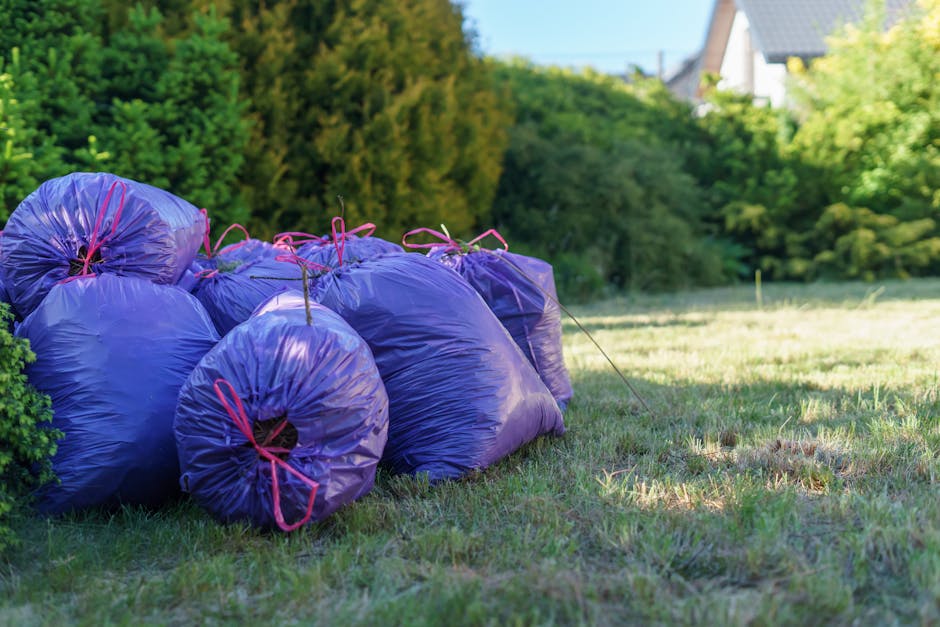
Why Pinner HA5 garden waste removal and recycling in Harrow Matters
Garden waste looks harmless at first. A few cuttings, some weeds, a branch pile by the fence. But in a typical Pinner HA5 home, that stack can grow fast, especially in spring and after wet weather. Green waste gets heavy when it is damp, compact when it is bagged badly, and awkward to move through narrow side access or shared driveways. If you have ever tried to drag six soggy sacks to the car while the rain starts again, you will know the feeling.
There is also the recycling side of the story. Garden waste is not just "rubbish". In many cases it can be processed into compost, mulch, or other useful material through proper recycling routes. That is the main reason a thoughtful garden waste removal service matters: it helps keep organic material out of mixed waste where it is harder to recover.
For Harrow residents, this matters for a few practical reasons:
- it reduces the volume of waste going to general disposal;
- it keeps gardens tidier during busy growing seasons;
- it removes trip hazards and fire risks from stacked branches or dry cuttings;
- it supports a more sustainable approach to local waste handling;
- it helps landlords, homeowners, and tenants keep outdoor spaces presentable.
It also has a knock-on effect on property presentation. A well-kept front or back garden makes a home feel lived-in, cared for, and easier to enjoy. That is especially noticeable in neighbourhoods where outdoor space is at a premium. If you are interested in the wider local context, the article on Harrow from a resident's perspective is a useful read for understanding day-to-day life in the area.
How Pinner HA5 garden waste removal and recycling in Harrow Works
Most garden waste removal follows a simple pattern, even if the job itself is messy. You gather the material, sort what can be recycled, and arrange collection or drop-off in a way that suits the size of the job. The details vary, of course, but the basic flow is similar.
Typical material collected
Garden waste usually includes grass cuttings, hedge trimmings, small branches, weeds, leaves, plant cuttings, old soil in limited amounts, and sometimes broken garden items if they are part of a wider clear-out. Mixed loads can also include plant pots, wood, fencing offcuts, and shed-related debris, although those items may need separate handling depending on the service.
What recycling usually means here
Recycling garden waste generally means separating organic material from general rubbish so it can be processed appropriately. Wet green waste, woody material, and soil contamination all affect how far a load can be recycled. In plain English: the cleaner the material, the better the recycling outcome tends to be.
That is why a proper sort before collection is worth the effort. Even a quick divide between pure green waste and mixed rubbish can improve handling and prevent good material from being rejected or downgraded.
Collection methods
Depending on the amount and type of waste, the work may be handled as a one-off collection, a scheduled clearance, or part of a broader waste removal visit. Some jobs are tiny and straightforward. Others need more than one person, especially if there is a big hedge cut, awkward access, or a long driveway with repeated carrying. To be fair, a lot of garden waste jobs are not about the waste itself but about the lifting, the timing, and the getting-there-in-one-piece part.
If your project also includes heavier non-garden items, it may make sense to combine services. For example, a mixed outdoor tidy-up could sit alongside builders waste disposal in Harrow if you have rubble, broken timber, or landscaping debris from a garden project.
Key Benefits and Practical Advantages
The strongest reason to use a dedicated garden waste removal and recycling service is not convenience alone. It is the combination of speed, tidiness, and responsible handling. Here is what people usually value most.
- Less time spent on disposal - no repeated car journeys or queues at the wrong end of the week.
- Cleaner outside spaces - cuttings and bags are cleared quickly, which is helpful if guests are coming or you are trying to keep the front of the property smart.
- Better recycling outcomes - separated organic waste can be sent down the right route instead of mixed with general rubbish.
- Reduced physical strain - lifting heavy sacks and thorny branches is no one's favourite Saturday job.
- More flexibility - ideal for seasonal clear-outs, post-storm tidy-ups, and renovation-related garden work.
- Improved safety - fewer piles of debris lying around where children, pets, or visitors could trip.
There is also a subtle but real benefit for homeowners thinking about appearance and usability. A neat garden makes a property feel more cared for, which can matter whether you are staying put or preparing to let, sell, or renovate. If that angle is relevant, you may also find the article on the real estate market in Harrow useful as background reading.
And yes, the practical advantage is often emotional too. A cleared garden has a different feel. You hear birds again. You can see the path. The whole place breathes a bit easier.
Who This Is For and When It Makes Sense
This kind of service is not only for people with huge gardens. In fact, some of the most common jobs come from smaller homes where outside storage is limited and a few bags of waste can quickly become a nuisance.
Homeowners
If you maintain your own garden, you will probably generate regular trimmings across the growing season. A collection service makes sense when your green bin fills up too quickly, when the material is too bulky for a car boot, or when you simply do not have the time to make multiple disposal runs.
Landlords and managing agents
Vacant rental properties often need exterior work before new tenants move in. Overgrown hedges, leaf build-up, and leftover planting waste can make a property look neglected. A quick clear-up helps restore order without dragging the process out. If the wider property needs attention too, the house clearance service in Harrow can be relevant when indoor and outdoor waste are part of the same project.
Tenants
Some tenants are responsible for garden maintenance under their agreement, while others are not. Either way, if you have been asked to clear a patio, tidy the lawn, or remove accumulated plant waste, a professional collection can be a practical way to avoid falling behind.
Gardeners and landscapers
Tradespeople often create more waste in one day than a household might make in a month. For pruning jobs, hedge reductions, and light landscaping work, a flexible removal option keeps the site workable and avoids clutter. It is one of those things that makes the whole job look sharper, somehow.
When it makes sense
- after a seasonal cut-back or spring tidy-up;
- after a storm, windfall, or branch drop;
- before a property viewing, event, or family gathering;
- when your green waste bin is overflowing;
- when you have mixed garden and outdoor rubbish to sort;
- when access, time, or vehicle space is limited.
For broader local waste guidance, rubbish collection in Harrow is worth exploring if your job includes more than just green waste.
Step-by-Step Guidance
If you want the process to run smoothly, a little preparation goes a long way. Here is a straightforward way to approach it.
- Walk the garden first. Look at what actually needs removing. Separate green waste from general rubbish, and note anything heavy, sharp, or awkward.
- Sort materials into practical groups. Put cuttings, branches, weeds, and leaves together where possible. Keep soil, stones, plastics, and broken planters separate if you can.
- Check access. Make sure there is a clear route from the garden to the collection point. Gates, side alleys, and narrow passages can change the whole job.
- Estimate the volume honestly. A small pile can turn into several sacks once compacted. Be realistic. It saves time later.
- Remove anything you want to keep. Tools, ornaments, pots, and plant supports have a habit of being left behind in the rush.
- Arrange the collection. Choose a time that fits the weather and your schedule. If there is rain forecast, try not to leave damp waste sitting out too long.
- Ask how recycling is handled. A good service should be able to explain whether your waste will be separated and where clean green waste is typically directed.
- Do a final sweep. Check for nails, broken ties, and stray stems. Those small things can be surprisingly irritating later.
If your project is part of a larger home tidy-up, you might also look at waste removal in Harrow to understand how mixed waste can be managed in one go.
Expert Tips for Better Results
After enough garden clearances, a few patterns become obvious. The difference between a smooth job and a frustrating one is often in the prep rather than the lifting.
Keep green waste as clean as possible
The more mixed your pile is, the harder it is to recycle properly. If you can keep branches, clippings, leaves, and weeds separate from plastic pots, broken tools, and general rubbish, you improve the chance of proper recovery. That sounds simple, and it is, but people skip it all the time.
Do not overfill bags
Overstuffed sacks tear, tip, and become awkward to handle. It is much better to use manageable loads than to create one heroic-looking bag that collapses on the path. We have all seen that bag. It never ends well.
Cut longer branches down a bit
Shorter lengths are easier to stack, lift, and transport. Even modest pruning can turn a spiky heap into something far easier to manage. The noise of a good pair of loppers at work on a quiet morning can be oddly satisfying too.
Think about timing
Garden waste gets heavier when wet and messier when left too long. If possible, aim to clear soon after cutting, especially during damp spells. Fresh cuttings are easier to handle than a soggy pile that has settled into itself for two days.
Use the job to reset the garden
One of the best habits is to combine waste removal with a quick reset: sweep the patio, trim the edges, and check for anything that needs storing properly. It turns a collection into a real improvement, not just a disposal task.
For people who want to keep the environmental side front and centre, the page on recycling and sustainability is a sensible place to learn how a broader responsible-waste approach fits together.
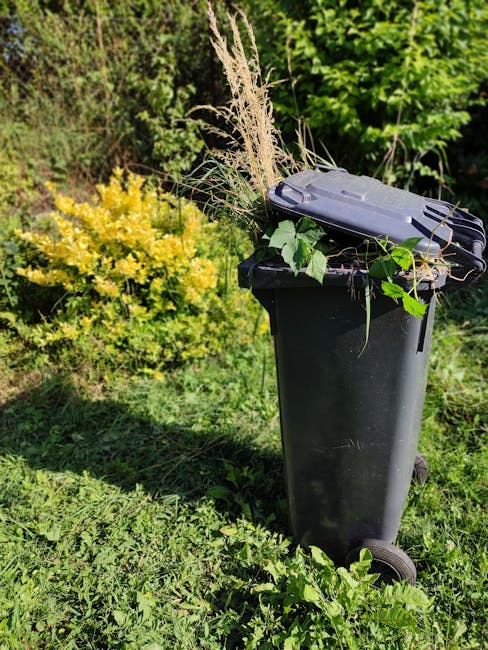
Common Mistakes to Avoid
Most problems with garden waste removal are avoidable. The frustrating thing is that they usually only become obvious once the mess is already at the curb.
- Mixing too many waste types - once green waste is mixed with general rubbish, recycling options can shrink quickly.
- Leaving collection until the pile grows too big - what starts as a small tidy-up can become a bulky clear-out very fast.
- Ignoring access issues - a narrow side gate, locked rear entrance, or low wall can turn an easy job into a slow one.
- Forgetting about damp weight - wet leaves and clippings are much heavier than they look.
- Putting sharps into loose bags - broken pruners, wire, and thorny cuttings can cause injuries.
- Assuming every item is green waste - plant pots, treated timber, soil, and old garden furniture may need different handling.
Another common slip is trying to solve a garden clearance with the same approach you would use for household bins. It sounds obvious, but under pressure people do it. Then the patio fills up, the car boot is full, and somebody ends up making a second trip in the dark. Not ideal.
Tools, Resources and Recommendations
You do not need a shed full of expensive equipment to prepare properly. A few basic tools and a bit of structure are enough.
Helpful tools for prep
- Heavy-duty garden sacks for clippings and leaves;
- Rakes and leaf grabbers to gather loose material efficiently;
- Loppers or secateurs for reducing branch length;
- Tarpaulin sheets to keep waste together and protect paths;
- Gloves for thorns, splinters, and general grip;
- Wheelbarrow or garden trolley for moving waste without repeated heavy lifting.
Planning recommendations
Start with the biggest, messiest items first. Branches and prunings often take up more room than you expect, so deal with them before you start bagging lighter waste. If you have a mixed outdoor project, gather all waste in one place before the collection day. That makes it easier to see what is there and what still needs separating.
If you are comparing service options or preparing for a larger job, pricing and quotes can help you think through the practical side before you commit. And if your waste includes bulky items from a shed or patio clean-up, the guide on bulky rubbish removal tips near Harrow Station offers useful context for handling awkward loads.
Simple organising tip
Keep a note of what you have removed. Even a rough list helps if you are dealing with repeated seasonal clearances or more than one area of the garden. It is a small thing, but it reduces guesswork next time.
Law, Compliance, Standards, or Best Practice
Garden waste removal is not usually complicated, but there are still responsibilities to keep in mind. In the UK, waste should be handled in a way that is lawful, traceable, and appropriate for the material involved. You do not need to become an expert in waste legislation to do the right thing, thankfully, but a few principles matter.
First, keep waste types separate where possible. Organic garden waste is easier to recycle when it is not contaminated with plastics, metals, treated timber, or general household rubbish. That is both a practical and a best-practice issue.
Second, use a responsible carrier. If a service is taking waste away, you want confidence that it will be handled properly and not fly-tipped somewhere else. Asking how waste is sorted and processed is reasonable. In fact, it is smart.
Third, store waste safely before collection. Sharp branches, broken pots, and damp piles can create slips, cuts, or blocked access. A tidy staging area is better for everyone involved.
Fourth, be cautious with soil and mixed loads. Soil can be heavy and may not be treated the same way as green cuttings. Treated wood, garden fencing, and old sleepers may also need different handling. If you are not sure, ask before the collection day rather than after.
If you want to understand the wider company approach to safety and trust, the pages on insurance and safety, terms and conditions, and about us provide useful background without dressing things up.
And while it may sound dull, good compliance habits protect both the customer and the people carrying the waste. That matters more than people realise.
Options, Methods, or Comparison Table
There is no single right way to deal with garden waste in Harrow. The best option depends on volume, access, urgency, and how much sorting you are willing to do yourself.
| Method | Best for | Pros | Limitations |
|---|---|---|---|
| Home sorting and bin use | Small, regular amounts of clean green waste | Simple, low effort, good for routine maintenance | Can be slow for larger jobs; limited space; not ideal for bulky cuttings |
| Self-loading and transport | People with a suitable vehicle and spare time | Flexible and direct | Messy, labour-heavy, and awkward for heavy or thorny waste |
| Professional garden waste removal | Bulkier jobs, mixed loads, or time-sensitive clearances | Fast, tidy, and easier on the back | Needs scheduling and clear communication about load type |
| Combined waste service | Garden waste plus outdoor debris or household clear-out items | Efficient for larger projects and one-off resets | Requires clearer sorting and may involve different disposal routes |
As a rule of thumb, if you can lift the waste, sort it quickly, and move it in one small load, DIY methods may be enough. If the job starts to feel like a half-day commitment before you have even begun, a removal service usually makes more sense.
Case Study or Real-World Example
Here is a realistic example from a typical Pinner HA5 property. A homeowner had finished a spring cut-back and was left with hedge trimmings, a pile of damp leaves, several tied bundles of branches, and a few broken plant pots from a border refresh. Nothing extreme. Just enough to make the rear path unusable and the garden look half-finished.
The first instinct was to wait and "deal with it later". That is the classic trap. A rainy day followed, the cuttings soaked up water, and the pile started to smell earthy and a bit sour, the way wet green waste does when it has sat too long. At that point the job had stopped being a tidy-up and started becoming a nuisance.
The better approach was to separate the pure green waste from the broken pots and non-organic bits, flatten the load, and arrange a collection that could handle mixed outdoor waste properly. The result was simple but noticeable: the path was clear again, the patio looked bigger, and the homeowner could actually enjoy the garden without stepping around a temporary compost heap.
That kind of job is common. Not glamorous, but very real. And honestly, most good waste jobs are exactly like that: a practical fix for a practical problem.
Practical Checklist
Use this checklist before arranging garden waste removal and recycling in Harrow:
- Have I separated green waste from general rubbish?
- Are any branches, roots, or stems too long to handle safely?
- Do I know where the waste will be placed for collection?
- Is the access route clear and safe?
- Are there any sharp, heavy, or awkward items mixed into the pile?
- Have I removed anything I want to keep, such as pots or tools?
- Is the waste likely to be wet or especially heavy?
- Do I need a service that can deal with mixed outdoor waste as well?
- Have I checked the timing so the waste is not sitting out for days?
- Have I reviewed the service information on service options and the relevant recycling guidance?
Short answer: the cleaner and more organised the pile, the smoother the collection. Simple, but true.
Conclusion
Pinner HA5 garden waste removal and recycling in Harrow is about more than clearing a pile of cuttings. It is a practical way to keep your outdoor space usable, reduce unnecessary trips, and send the right material into the right recovery route. For small seasonal jobs, a simple sort-and-collect approach may be enough. For bigger or mixed loads, a proper removal service is usually the calmer, cleaner choice.
The main thing is not to let garden waste become one of those jobs that hangs around in the corner of your life. Once you get on top of it, the whole garden feels easier. The path opens up. The air smells fresher. Even the place sounds different, quieter somehow. And that is a very good feeling on an ordinary Harrow afternoon.
Get a free quote today and see how much you can save.


Copyright © . House Clearance Harrow. All Rights Reserved.