Avoid hidden charges in Harrow rubbish removal jobs
Posted on 11/10/2026
Avoid hidden charges in Harrow rubbish removal jobs: a practical guide for clear, fair pricing
If you are booking rubbish removal in Harrow, the price on the first quote is not always the price you end up paying. That is the awkward bit nobody likes to talk about. The good news? Once you know what to ask, which extras to check, and how a proper quote should be written, you can avoid hidden charges in Harrow rubbish removal jobs without turning the whole thing into a detective story.
In this guide, we will walk through the common pricing traps, the warning signs of a vague quote, and the simplest ways to protect yourself before the van turns up. Whether you are clearing a flat near Harrow on the Hill, dealing with bulky items after a move, or arranging a one-off collection for a house or office, the same principles apply: get clarity early, keep the scope specific, and never assume "all in" means all in. It rarely does, to be fair.
For readers who want a wider view of the local service landscape, it can also help to understand the broader services overview and how pricing is usually framed in written estimates.
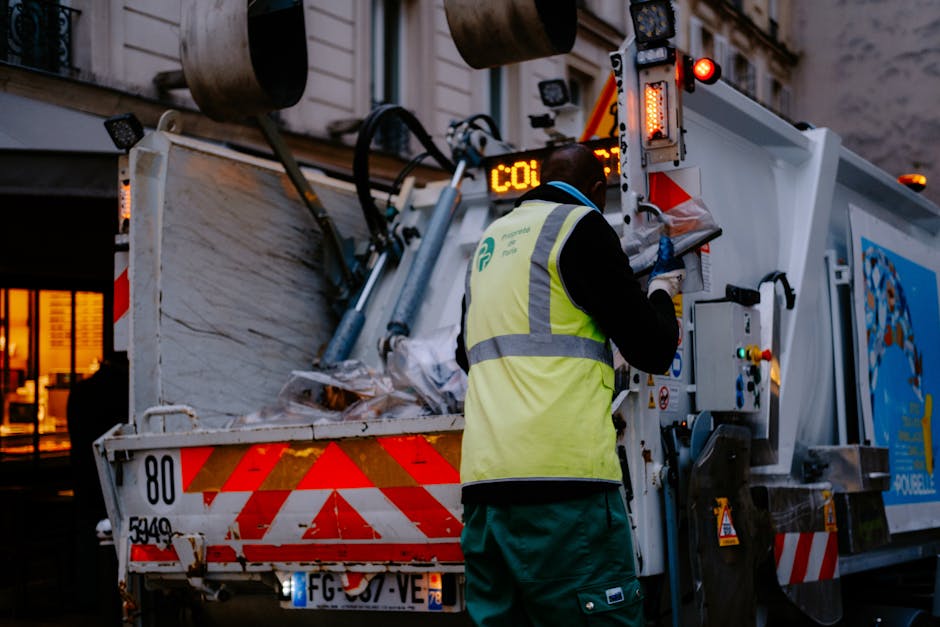
Why hidden charges in Harrow rubbish removal jobs matter
Hidden charges are more than an annoyance. They can change the whole feel of a job from straightforward to stressful in about five minutes. One minute you think you have agreed a fair price for a sofa, a few bags, and an old wardrobe. The next, you are told there is a congestion-style wait fee, a stair carry surcharge, a mattress levy, or an "extra labour" charge that was never mentioned at the start. Sound familiar?
In Harrow, many rubbish removal jobs are time-sensitive. People are clearing rental properties, emptying garages, managing post-renovation waste, or getting rid of bulky furniture before a sale or handover. If the quote is vague, it can throw off your budget and your schedule at the same time. That is especially frustrating when you already have enough on your plate.
It also matters because rubbish removal is not just about taking things away. It often includes access issues, parking, disposal routes, sortation, and recycling. Those are real operational factors, but they should be explained clearly. A transparent business will tell you what is included, what could change the price, and what will trigger an extra cost. A murky one will dodge the detail and hope you are too busy to push back. You really do not want that.
If you are comparing providers across different types of clearances, reading about waste removal in Harrow and the related rubbish collection options can help you see how services are usually structured before you request quotes.
How avoiding hidden charges in Harrow rubbish removal jobs works
The basic idea is simple: force clarity before the job starts, then make sure the quote matches the job as actually described. Most surprise charges appear when one of three things happens: the customer was not specific enough, the provider gave a rough estimate instead of a firm price, or the job changed on the day and nobody documented it.
A clean pricing process usually follows this pattern:
- You describe the waste accurately, including item type, volume, access, and any awkward pieces.
- The company gives a written quote or a very clear estimate with conditions.
- Any possible extras are listed in plain language before booking.
- The team arrives, checks the load against the agreed scope, and confirms if anything has changed.
- You approve any genuine variation before the work continues.
That last bit matters. A proper variation is not the same as a random add-on. If you add extra bags, request an extra floor carry, or ask the crew to dismantle items that were not included originally, a charge may be fair. What is not fair is discovering these "extras" only after the van is loaded and you have very little leverage.
In practical terms, hidden charges usually hide in the details: minimum load fees, access fees, fuel fees, parking fees, manual handling costs, disposal charges for specific items, and out-of-hours callout charges. None of these are automatically wrong. The issue is whether they are disclosed clearly enough for you to make an informed choice.
For a deeper look at how pricing and quotations are presented, the page on pricing and quotes is a useful companion piece.
Key benefits and practical advantages
Getting transparent rubbish removal pricing is not just about avoiding a bad surprise. It gives you control, and that is half the battle.
- Better budgeting: you know the likely final cost before anyone lifts a bag.
- Faster decisions: clear quotes are easier to compare, so you do not waste time chasing vague offers.
- Less stress on the day: no awkward renegotiation at the door while the kettle is still boiling.
- Fewer disputes: written terms reduce misunderstandings about what was agreed.
- Better service fit: you can choose the right team for household waste, bulky items, garden clearances, or builders' rubble.
There is also a quality signal here. Providers who are confident about their process usually explain the job in a calm, specific way. They ask about access, item type, parking, and timing because they are trying to price the work properly. That is reassuring. A rushed quote with no questions at all can be a bit too casual, frankly.
When a job is priced properly, you also tend to get better decisions around recycling, sorting, and disposal. That is useful if you care about where your waste goes and whether reusable items can be separated rather than sent straight off in one big mixed load. If that matters to you, have a look at the company's approach to recycling and sustainability.
Who this is for and when it makes sense
This advice applies to just about anyone booking waste clearance in Harrow, but some situations are particularly prone to hidden charges.
- Homeowners clearing bulky waste: sofas, beds, wardrobes, appliances, and mixed household clutter can all affect price.
- Landlords and letting agents: end-of-tenancy jobs often involve surprise items, loft junk, or access issues in shared buildings.
- Tenants moving out: a last-minute "we found more bags" charge can be painful when you are already paying moving costs.
- Office managers: desk dismantling, lift access, restricted loading, and evening collections can all change the final bill.
- Builders and trades: rubble, timber, plasterboard, and mixed construction waste are often priced differently from general rubbish.
- Garden owners: green waste can seem simple, but heavy sacks, soil, and awkward access can alter the price.
It also makes sense if you are booking a one-off job and cannot afford lots of back-and-forth. Perhaps the skip is not an option. Perhaps the road is tight. Perhaps you are clearing up after a renovation or a small event. If so, a clear quote saves time and energy, and you do not need another headache. Let's face it, there are enough of those already.
For specialised jobs, you may want to compare related service pages like builders waste disposal in Harrow, garden waste removal, house clearance, or office clearance so you know how each job type is typically framed.
Step-by-step guidance
If you want to avoid hidden charges in Harrow rubbish removal jobs, use a simple process. Nothing fancy. Just disciplined and a little bit nosy in the right places.
1. Describe the waste properly
Do not say "a bit of rubbish" unless you also enjoy vague pricing. List the actual items, the number of bags, and whether there are heavy or awkward pieces. Mention if there are mattresses, fridges, broken wardrobes, garden cuttings, or mixed builders' waste. The more specific you are, the less room there is for ambiguity.
2. Explain access clearly
Tell the company whether the job is ground floor, top floor, basement, or through a shared hallway. Mention steps, lifts, narrow staircases, parking restrictions, controlled access, and whether the van can stop close to the property. A lot of surprise charges spring from access issues that were never discussed properly.
3. Ask what is included in the quote
Every quote should say what it covers. Is labour included? Loading? Disposal? Recycling? Dismantling? Waiting time? If it is not obvious, ask. A clear answer now is much easier than a difficult conversation later.
4. Ask about extra charges before you book
Ask directly: "What could increase the price on the day?" That simple question often reveals the important bits. Maybe there is a stair fee. Maybe certain appliances cost more. Maybe same-day bookings have different terms. Fine. At least you know.
5. Get the agreement in writing
By email or written message is best. You want the item list, access notes, price basis, and any exclusions written down. Not because you expect trouble, but because people remember differently when work gets busy. It happens.
6. Confirm any changes before work starts
If the job has grown since the quote, agree the difference before loading begins. If the team finds extra waste, sort out the new price then and there. Once the van is full, the conversation becomes less comfortable for everyone.
7. Keep your own record
Save the quote, the messages, and any photos you sent. That is not being awkward; it is being organised. And honestly, it can save you from a lot of unnecessary faffing.
Expert tips for better results
After seeing how rubbish removal jobs go wrong, a few habits stand out. These are the little things that save people money.
- Take photos of the waste before you request a quote. A couple of clear images usually beat a long description.
- Separate clearly priced items from mixed waste. A mattress, fridge, or sofa may be treated differently from bagged general rubbish.
- Be careful with "approximate" load estimates. If a provider quotes by volume, make sure you understand what counts as a quarter load, half load, or full load.
- Ask whether sorting happens on site or at disposal. Mixed waste can be priced differently depending on how it is handled.
- Make parking and access part of the conversation. In Harrow, a short walk from the van or a difficult loading point can matter more than people expect.
- Choose a time when you can be present. A quick five-minute check at the start often prevents bigger issues later.
One thing people miss: disposal pricing is not just about the items, it is also about the logistics around them. A single bulky item in a third-floor flat can take longer than a much larger pile at street level. That is why the best quotes are the ones that feel slightly over-questioned at the start. Strange as it sounds, that is a good sign.
If you want reassurance about safety and working practices, it is worth reading the company's insurance and safety information before booking. It tells you a lot about how they approach the job.

Common mistakes to avoid
Most hidden charge problems come down to a handful of avoidable mistakes. Here are the big ones.
- Accepting a price without details. "It will probably be around this much" is not a proper agreement.
- Forgetting about access. Stairs, lifts, parking, and carrying distance are not small details.
- Not mentioning heavy or awkward items. A washing machine is not the same as a bag of light household clutter.
- Assuming the quote includes everything. Labour and disposal may be included, but dismantling or parking might not be.
- Adding items on the day without checking the price. Extra waste is fine, but price changes should be agreed first.
- Choosing the cheapest quote blindly. A bargain can be excellent. It can also be unfinished business in disguise.
A very common one is not asking whether the quote is fixed or estimated. Those words are not interchangeable. A fixed quote should not wander around unless the job changes. An estimate can change, but only for a reason that is explained. If the provider cannot say which one it is, that is your cue to slow down.
And one more, slightly annoying but important: be wary of pressure tactics. If somebody pushes you to book immediately "before the price goes up", ask yourself why the urgency is theirs rather than yours.
Tools, resources and recommendations
You do not need specialist software to avoid hidden charges, just a few practical tools and habits.
- Phone photos: take pictures of the waste from a couple of angles.
- Simple notes app: jot down item counts, access details, and any promises made during the quote call.
- Email or message thread: keep the written quote and any follow-up changes together in one place.
- Room-by-room checklist: helpful for house clearances or office clearances where items are spread out.
- Measurement by bags or item type: useful when a company prices by volume or load size.
There are also some on-site pages worth using as reference points when comparing services. For example, the company's terms and conditions should tell you how changes, cancellations, and scope variations are handled. The payment and security page can also be useful if you want to understand accepted payment methods and how transactions are managed. And if you care about standards and values behind the service, about us helps build a better picture of who you are dealing with.
For readers who want to see how the business presents its wider offer, the pages on services overview and recycling and sustainability are helpful supporting reads.
Law, compliance and best practice
Rubbish removal is not just a pricing issue. There are also legal and operational responsibilities around waste handling, transport, and disposal. You do not need to become a compliance expert, but you should expect the provider to follow sensible UK waste-management practice and to be able to explain what happens to the waste they collect.
At a practical level, that means a trustworthy business should be clear about:
- what kinds of waste they accept
- how mixed waste is separated, where relevant
- whether items are reused, recycled, or disposed of appropriately
- how they handle safety on site
- what happens if the load contains restricted or hazardous items
Best practice also means honest pricing language. If a company uses estimates, that should be stated. If there are exceptions, they should be spelled out. If a job involves access challenges, the likely impact on price should be made clear in advance. Nothing dramatic. Just straight dealing.
For more context on how responsible service standards are presented, you may also find the company's modern slavery statement helpful as part of its wider trust and governance information. That is not about rubbish removal pricing directly, but it does speak to how seriously a business takes its obligations.
And yes, if a provider seems evasive about what happens to the waste, that is a red flag. Not a huge theatrical red flag waving in the wind, just a quiet one sitting in the corner, waiting for you to notice.
Options, methods, and a useful comparison
Different waste removal approaches come with different pricing risks. Here is a simple comparison to help you think more clearly.
| Method | Best for | Pricing clarity | Hidden charge risk | Notes |
|---|---|---|---|---|
| Man-and-van rubbish removal | Bulky items, mixed household waste, quick clearances | Good if the quote is itemised | Moderate | Watch for access and loading fees |
| Skip hire | Longer projects, DIY waste, steady disposal over several days | Usually clear at the outset | Moderate | Permit, placement, and overfill rules matter |
| Specialist bulky waste clearance | Large furniture, appliances, awkward carries | Often clear when item types are listed | Low to moderate | Ask about dismantling and stair carries |
| Builders' waste removal | Renovations, rip-outs, construction debris | Can be clear, but weight and material type matter | Moderate to high | Plasterboard, rubble, and mixed loads may be priced differently |
In real life, the cheapest-sounding method is not always the cheapest overall. A quote that looks tidy can become messy if it excludes the very thing that makes your job difficult. The easiest way to compare options is to line up the same details for each provider: item list, access, timing, exclusions, and whether the price is fixed.
For broader local context, a few readers also find the Harrow neighbourhood pieces useful, especially Harrow from a resident's perspective and life in Harrow, London, because they show the kind of homes, access patterns, and day-to-day practicalities that shape local clearances.
Case study or real-world example
Here is a realistic example. A couple in a Harrow terrace are clearing out after a move. They have two wardrobes, a mattress, five black bags, a small coffee table, and a pile of mixed bits from the shed. They call for a price and get a rough figure over the phone.
At first, that seems fine. But the house has a narrow stairwell, there is no obvious parking right outside, and the mattress needs to be taken down two flights. If none of that was mentioned, the final cost may drift upward. Not because the job is "bad", but because the missing details matter.
Now compare that with a better approach. The customer sends photos, notes the stair access, says the van will need to park a short walk away, and confirms whether dismantling is required. The provider quotes more carefully from the start. The number may be slightly higher than the original rough estimate, but it is honest. And honest is usually cheaper than surprise, even when the headline figure is not the lowest one.
That is the real lesson. A clear quote can feel a bit more measured at first, but it protects the whole job. Everyone knows where they stand. Nobody is doing maths in the driveway.
Practical checklist
Use this checklist before you book any rubbish removal job in Harrow.
- Have I listed all waste items clearly?
- Have I included photos or enough detail for an accurate quote?
- Have I explained access, stairs, lifts, and parking restrictions?
- Do I know whether the price is fixed or estimated?
- Have I asked what is included in the quote?
- Have I asked about extra charges for heavy, awkward, or special items?
- Have I confirmed any possible changes in writing?
- Do I understand how payment will be handled?
- Have I read the terms and conditions carefully enough?
- Am I comparing more than just the cheapest price?
If you can tick most of those off, you are already ahead of most people. Honestly. A bit of organised scepticism saves money.
Get a free quote today and see how much you can save.
Conclusion
The easiest way to avoid hidden charges in Harrow rubbish removal jobs is to treat pricing as part of the service, not an afterthought. Ask the right questions, describe the job properly, and insist on a written explanation of what is included. That simple discipline can save you from awkward surprises, messy disputes, and budget creep.
In a local market where access, item type, parking, and load size all affect the work, a transparent quote is not a luxury. It is the bare minimum. The better providers will not mind being specific. In fact, they will probably welcome it.
If you take one thing away from this guide, let it be this: the cheapest quote is only useful if it stays cheap. Clear details, calm communication, and a written agreement are what keep it that way. And that, more than anything, makes the whole thing feel manageable.
Sometimes the best saving is simply not being surprised.


Copyright © . House Clearance Harrow. All Rights Reserved.